Why WSQ Courses Are Becoming the New Benchmark for Corporate Upskilling in Singapore
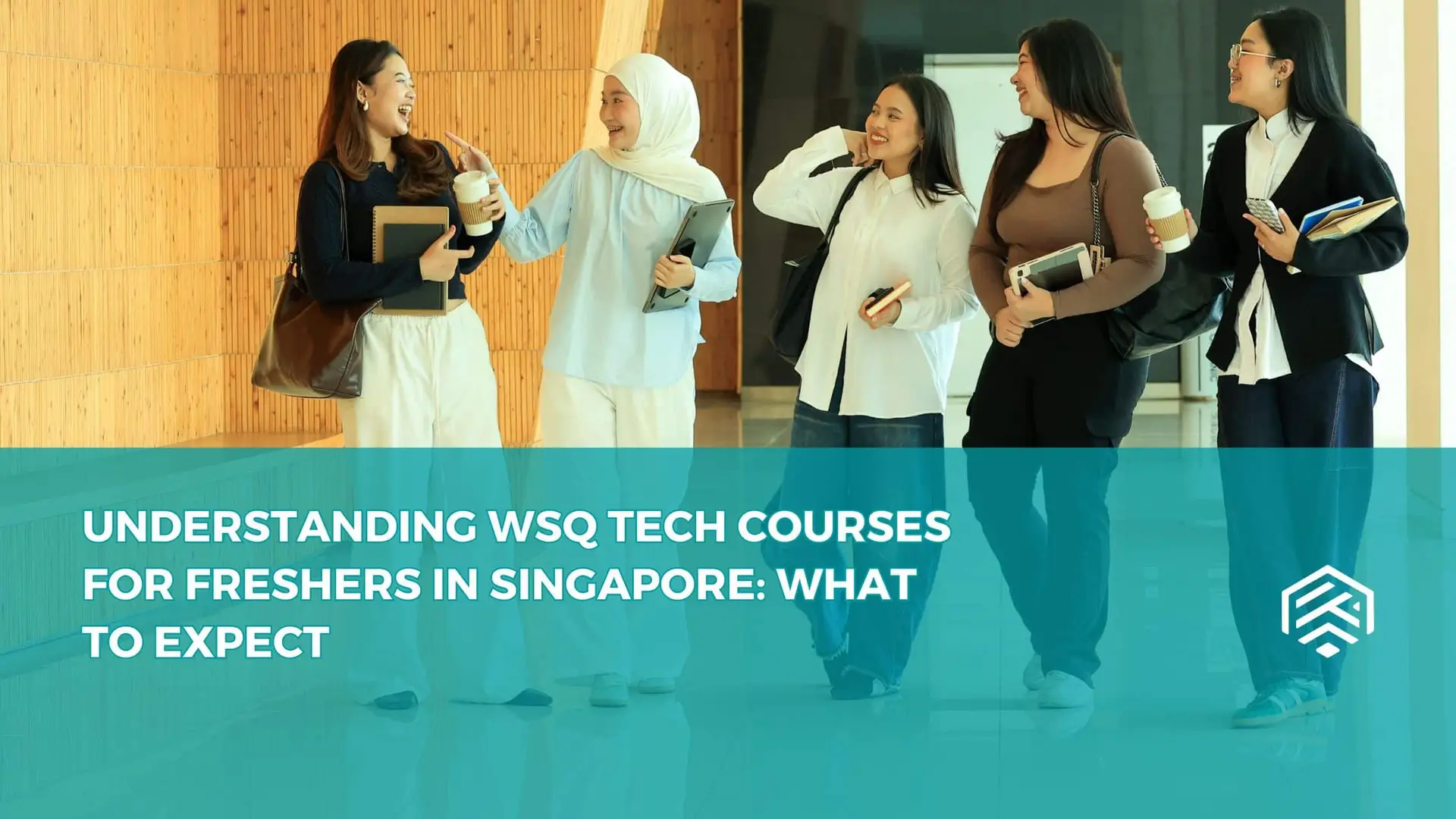
For many fresh graduates and career changers, the phrase “WSQ tech courses” signals a practical, industry-aligned route into entry-level tech roles. The Workforce Skills Qualifications (WSQ) system in Singapore is purpose-built to certify job-ready skills rather than academic theory — which makes it particularly relevant for freshers who want a fast, credible bridge into the workforce.
What WSQ means for freshers
WSQ qualifications are modular and competence-based. Rather than a single long diploma, learners can take short modules that focus on discrete skills — for example, fundamental programming, data literacy, or basic automation tasks. This modularity means freshers can rapidly build a portfolio of applied skills and stack credentials that employers recognise.
Course formats and learning outcomes
WSQ tech courses are commonly offered as short classroom programmes, blended learning, or bootcamp-style workshops. Expect practical assessments, workplace scenarios and project-based tasks that mirror real job functions. Assessment focuses on demonstrable competency: can you apply a tool, follow a process, or produce the output required for an entry-level role?
How to choose the right WSQ tech course
Start with the job role you want. WSQ courses map to role profiles in the Singapore Skills Framework, so match course outcomes with the entry-level responsibilities of those roles. Check whether the provider is SSG-accredited and whether the course includes workplace-relevant examples, a capstone or portfolio task, and recognised assessment rubrics.
Funding and affordability
Many WSQ courses are subsidised under SkillsFuture schemes, making them cost-effective for freshers. Young Singaporeans receive SkillsFuture credits that can reduce out-of-pocket costs, and several short-form initiatives have been expanded to improve access to today’s in-demand skills.
Which WSQ / SkillsFuture courses to stack — and why
When selecting courses, consider a “foundation → specialisation → showcase” trajectory:
Foundation courses: Digital literacy, data literacy, basic scripting, introductory automation — these build the groundwork.
Specialisation courses: RPA tool handling, data visualisation (e.g. dashboards), cloud tools introduction, or beginner-level AI awareness.
Showcase or portfolio-oriented courses: Projects, assessments, capstone tasks, or real-world simulations that require producing tangible deliverables (dashboards, automation scripts, reports).
Such stacking helps you present a coherent, tiered skillset rather than disjointed certificates — a strong asset when applying for junior tech or digital roles.
Using SkillsFuture Credit strategically
SkillsFuture funding significantly lowers the financial barrier for stacking courses. In 2024 alone, 260,000 Singaporeans used their SkillsFuture Credit for training, up from 192,000 in 2023. The Straits Times This means freshers on a budget can build relevant skills without incurring major out-of-pocket costs.
When planning stacking:
Begin with foundational modules that are low-cost but widely applicable.
Use portfolio- or project-based modules mid-stack to build demonstrable outputs.
Finally, choose modules aligned with the job role you target — ensure your stack mirrors typical entry-level job requirements in RPA, data analysis, AI-adjacent roles.
How employers view stacked, modular credentials
Stacked credentials from SSG/WSQ demonstrate several employer-friendly traits:
Competency over attendance — since WSQ is competence-based, your credentials signal actual skills, not just course participation.
Adaptability and continuous learning mindset — hiring managers increasingly value candidates who invest in upskilling actively.
Broad foundational knowledge with specialised skills — a mix of data literacy, automation, and digital awareness is ideal for many junior roles in SMEs or digital-transformation units.
Building such a stack can be especially effective in Singapore’s demand-driven tech hiring climate.
Practical roadmap to start stacking
List 2–3 entry-level tech/data/automation roles you’re interested in.
Identify the core competencies required (e.g. data cleaning, simple automation, basic scripting or dashboarding).
Search for available WSQ or SkillsFuture modules covering those competencies.
Map out a 6–12 month plan stacking foundational + specialised + project-based courses.
Keep tangible outputs (dashboards, simple scripts, course projects, assessment certs) ready for job applications or portfolio showcase.
In a climate where digital transformation is accelerating, stacking WSQ tech courses and leveraging SkillsFuture credits presents a strategic, practical path into tech careers. Rather than waiting for a full-time degree, freshers can use modular learning to build competence, relevance and confidence for entry-level roles.
Discover More: Explore Related Articles and Insights!